

At just 1,033.6 square miles, Rhode Island is the smallest state in the United States by land area, but it has a charm and history that help it stand out from the crowd. The state sits in an ideal location on the New England coast and is known for its scenic beaches, extensive maritime heritage, and notable cultural sites.
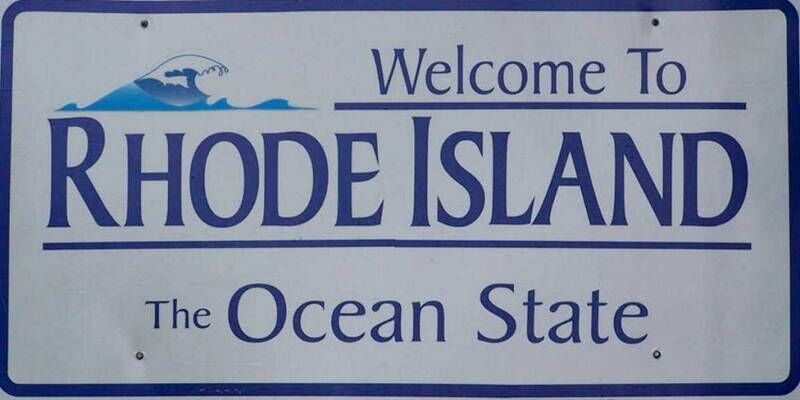
Countless visitors come to Rhode Island’s sandy beaches, historic landmarks, and charming towns every year. The South County region is a particularly popular vacation destination because of its oceanfront areas and small historic towns that offer a slower pace of life.
But have you ever wondered how this state got its name? After all, the state isn’t an island, and there isn’t an obvious reason why it’s called Rhode Island.
Here’s the fascinating story behind Rhode Island’s origins so you have a better understanding of the area and its history before your next vacation.
The Early Discovery and Naming of Rhode Island
The early discovery of Rhode Island dates back to European exploration of North America in the 1500s and early 1600s. One of the key figures was Giovanni da Verrazzano, who was an Italian explorer who spent 1524 sailing along the East Coast and was the first European visitor to write about present-day Rhode Island.
As he passed through the region, Verrazzano noted that one of the islands reminded him of the Greek island of Rhodes. It’s unclear which island he was referring to, but scholars believe it was Block Island. Verrazzano called this island Aloysia, but his description led to the early association with the name “Rhode.”
Another theory begins in the early 1600s when Dutch explorer Adriaen Block mapped the region. Block noticed the red clay along Narragansett Bay’s shores and called it “Roodt Eylandt,” meaning “Red Island” in Dutch.
There’s a chance that, over time, the name evolved into the Rhode Island we know today. In fact, the Adriaen Block story is the official source of the name according to the Rhode Island government, but it’s entirely possible that both explorers contributed.
Official Naming and Colonial History
In the 1630s, Rhode Island officially became known as “The State of Rhode Island and Providence Plantations.” This name reflected its geography and values.
The island part of the name refers to Aquidneck Island, where Newport is located. Meanwhile, “Providence Plantations” refers to the mainland settlements founded by Roger Williams, a religious exile from Massachusetts.
Roger Williams was a Puritan minister who fled religious persecution and established Providence in 1636 as a haven for religious freedom and tolerance. His beliefs in the separation of church and state attracted many settlers seeking freedom from oppressive laws, making Rhode Island unique among the colonies.
The formal name of the colony helped distinguish the island settlements from the mainland areas. “Rhode Island” referred to Aquidneck Island, while “Providence Plantations” represented the mainland settlements like Providence and Warwick.
The full title reflected the diverse settlements that made up the colony and its progressive ideas of religious and personal freedom. This official naming highlighted the colony’s distinct identity within New England.
Why Is It Called an Island When It Isn’t One?
Rhode Island’s name often causes confusion, as many assume the entire state is an island. In reality, only a portion of the state is made up of islands.
As mentioned above, the state’s name refers to Aquidneck Island, the largest island in Narragansett Bay. The rest of the state is on the mainland, including the entire South County region.
Aquidneck Island was initially called “Rhode Island,” and over time, the name came to represent the entire colony. While Aquidneck is the actual island, the mainland areas were just as important in the state’s development. This mix of island and mainland regions contributes to Rhode Island’s unique geography.
A Rhode Island Vacation
Rhode Island’s coastal towns, sandy beaches, and scenic islands make it a prime destination for travelers. Visitors love its historic sites, sailing culture, and breathtaking ocean views, making South County vacation rentals popular for those seeking a coastal escape.
Learning about Rhode Island’s history, including its name, helps you develop a deeper connection before you arrive. From there, you can make the most of your time in this beautiful and historic part of the country.